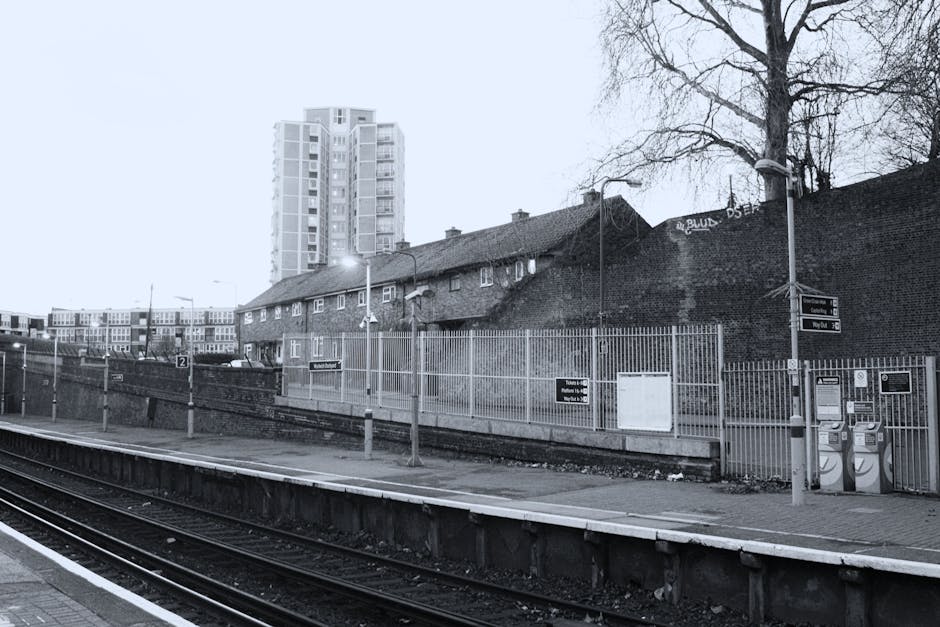
Finsbury Park station high rise move case study removals: a practical guide to planning, access, and stress-free execution
Moving in a tall building near Finsbury Park station is rarely a simple lift-and-load job. You've got tight corridors, shared entrances, parking pressure, neighbours coming and going, and the sort of timing issues that can turn a straightforward removal into a small logistical puzzle. This guide to Finsbury Park station high rise move case study removals explains how a well-planned move in a high-rise setting typically works, why it matters, and what you should do if you want the day to feel calm rather than chaotic. It's written for anyone comparing removal options, planning a flat move, or trying to avoid the usual last-minute panic.
Truth be told, high-rise moves can feel daunting on paper and then completely manageable once the process is broken into sensible steps. That's what we'll do here: unpack the practical side, from access and packing to lift coordination, building rules, and the kind of small decisions that save a lot of time on moving day.
Expert summary: the best high-rise removals are the ones that are planned around the building, not just the belongings. If access, timing, protection, and crew size are right, the move feels much smoother, even in a busy station-side location where everything seems to happen at once.
Why Finsbury Park station high rise move case study removals Matters
A high-rise move near Finsbury Park station matters because the environment changes the whole job. A removal in a ground-floor maisonette is one thing; a move from a mid- or upper-floor apartment in a busy transport area is another. You're dealing with lifts, corridors, loading points, traffic flow, and often a building manager who wants notice before any bulky items appear in the lobby.
That's before you think about the practical human side. Moving day is often noisy, slightly sweaty, and full of interruptions. Someone's waiting for the lift. Someone else has parked awkwardly outside. Your sofa looks two inches too long for the stairwell. These are the moments where planning earns its keep.
For landlords, tenants, leaseholders, and small businesses working from apartments, the stakes are simple: keep the move efficient, protect the building, and reduce the chance of damage or delay. A well-run high-rise move can save time, reduce stress, and avoid those awkward conversations at the front desk.
If you need a broader overview of professional moving support, it can help to look at the wider removals service offer and understand how it fits with flat access, packing, and transport. For many people, especially in dense London postcodes, the value is not just in the van; it's in the planning around the van.
How Finsbury Park station high rise move case study removals Works
The process usually starts well before moving day. In a high-rise setting, the removal team needs a clear picture of the building layout, access times, parking restrictions, lift availability, and the size or fragility of the items being moved. A good removal plan also considers whether the route involves a lift only, stairs only, or a mix of both. It sounds basic, but it makes a huge difference.
In practice, the workflow often looks like this:
- Survey the property access. This includes front door width, corridor turns, lift dimensions, and any restrictions from the building manager.
- Confirm the load order. The heaviest and most awkward items should be handled in a sequence that avoids bottlenecks.
- Protect surfaces. Hallways, lift interiors, and door edges may need padding or careful handling.
- Plan vehicle access. The van or truck should be positioned as close as safely possible to reduce carrying distance.
- Pack in a load-safe way. Boxes, furniture, mirrors, and electronics should be prepared so that nothing shifts during transit.
- Move with control. The aim is steady progress, not rushing. Rushing is where dings and scraped walls happen. Annoyingly predictable, that.
For some moves, especially when space is limited, a compact vehicle and a smaller crew are enough. In other cases, a larger team with a removal van or even a heavier-capacity vehicle is more suitable. The right option depends on volume, access, and how much lifting is involved.
If the property is a rented flat or a compact apartment, you may also want to compare it with flat removals, because that service type is usually better aligned with stairs, lifts, and limited parking than a generic house move.
Key Benefits and Practical Advantages
There's a reason people look for a case-study style explanation rather than a generic "we move things" pitch. High-rise removals are where process matters. Done properly, they can deliver a lot of practical advantages.
- Less wasted time. Pre-planned access means the crew can focus on moving, not improvising.
- Lower risk of damage. Protective measures and careful handling reduce the chance of scuffed walls or broken furniture.
- Better coordination. Building staff, occupants, and movers all know what's happening and when.
- Reduced physical strain. The right lifting strategy matters, especially if you've got bulky items or awkward stairwell turns.
- Fewer delays. Good planning helps avoid parking hold-ups, lift clashes, and building access issues.
- More confidence. You simply feel better when there's a plan, and let's face it, moving day confidence counts.
There's also a useful commercial angle for small offices or hybrid-working setups. If your apartment is also a work space, or you're moving a home office, the right support can make it easier to shift equipment safely. In those cases, a service like office relocation services may be relevant alongside domestic removal support.
When furniture needs extra handling, you may also benefit from a dedicated furniture removals approach rather than leaving everything to a generalist load. Small distinction, big payoff.
Who This Is For and When It Makes Sense
This type of removal is a strong fit for anyone moving into or out of a tall building around Finsbury Park station, especially where access is tight or there are shared spaces to navigate. It's also useful if you're not moving a huge volume but still want the day handled properly.
Typical situations include:
- tenants leaving a top-floor flat with lift access
- buyers moving into a new-build apartment block
- leaseholders relocating bulky items like beds, wardrobes, or dining tables
- students or young professionals moving between smaller flats
- homeowners downsizing into a more compact space
- small businesses moving stored items or equipment from a residential tower
If you're a student, the same principles apply, just usually with fewer items and a tighter timeline. In those cases, student removals can be a very sensible fit, especially if your move has to happen between lectures, work shifts, or an awkward tenancy handover.
And if the move includes just one or two awkward pieces, the lighter-touch option of man and van support may be more efficient than booking a larger crew. Not every move needs a full-scale operation. Sometimes it just needs the right pair of hands and enough patience.
Step-by-Step Guidance
Here's a practical sequence you can follow for a high-rise move near Finsbury Park station. It's simple, but that's the point.
1. Check the building rules first
Before anything else, ask whether the block has move-in or move-out restrictions, preferred hours, lift booking requirements, or protection rules for communal areas. A five-minute call can prevent a morning of hassle.
2. Measure the awkward things
Measure beds, sofas, wardrobes, white goods, and anything with a fixed frame. Compare those dimensions to doors, lifts, and stair turns. This is the bit people often skip, then regret later.
3. Sort what stays and what goes
High-rise moves get much easier when you remove unnecessary clutter. Old chairs, damaged shelving, and duplicate bits should be dealt with early. If needed, furniture pick up can help clear bulky items you no longer want.
4. Pack by room and priority
Keep essentials separate: kettle, chargers, documents, basic toiletries, a change of clothes. Label boxes clearly. Very clearly. You will thank yourself at 9:30pm when you're tired and trying to find the toaster.
5. Reserve access where possible
If your building allows lift reservations or timed access, use them. Try to align the schedule with parking and the estimated arrival window for the crew.
6. Protect the path from flat to vehicle
Door jambs, corners, and lift interiors are the usual trouble spots. A good team will handle protection sensibly, but it helps to know which route is being used and whether any tight turns need special care.
7. Load in the right order
Heavy and stable items go in first, with fragile goods protected and secured. A tidy load is safer, quicker, and less likely to shift around during transport.
8. Do a final room-by-room sweep
Before the van leaves, check cupboards, balconies, utility areas, and the top of wardrobes. High-rise flats have a habit of hiding one last cable, cleaning product, or spare pair of shoes. Always.
Expert Tips for Better Results
A few small decisions can make a surprisingly big difference. These are the things experienced movers tend to care about, even if customers don't always see them happening.
- Move off-peak if you can. In a station area, mornings and late afternoons can be busy. A calmer time window is usually easier.
- Keep building contact details handy. If a lift booking needs a quick confirmation, you don't want to search through emails while carrying a mattress.
- Use sturdy cartons, not mixed-quality boxes. Weak boxes collapse when stacked, which then becomes someone else's problem.
- Wrap delicate furniture properly. Corners are especially vulnerable in lift-and-corridor moves.
- Separate essentials from bulk items. A small "first night" bag saves a lot of rummaging.
- Be honest about volume. If you slightly understate the amount of stuff, the schedule can fall apart. It's common, but avoidable.
If your move involves a fair amount of packing, a structured approach through packing and boxes can make the whole process cleaner and faster. And if you would rather not spend a weekend in a sea of tape and marker pens, packing and unpacking services can take a lot of pressure off.
A slightly boring tip, but a good one: keep a couple of old cloths or towels aside. They're handy for padding, protecting surfaces, and dealing with those mysterious little spills that appear exactly when you're busiest.
Common Mistakes to Avoid
Most removal problems are not dramatic accidents. They're small avoidable mistakes that stack up. Here are the big ones.
- Ignoring lift dimensions. A sofa that "almost fits" is not a plan.
- Leaving packing until the night before. That usually leads to half-sealed boxes and a lot of stress.
- Forgetting parking access. In a busy area, the vehicle plan matters just as much as the packing plan.
- Not telling the movers about awkward items. Pianos, mirrors, oversized wardrobes, and antique pieces all need special handling.
- Assuming the building has no rules. Many apartment blocks do, and they matter.
- Trying to move too much at once. It feels efficient until a corridor clogs up or a box splits open.
Another one people overlook: not checking what happens to items they don't want to take. If you're clearing out, it's worth planning disposal or reuse separately. For smaller clearances, a service such as furniture removals can be a cleaner way to handle unwanted pieces than trying to squeeze them into the main move.
And if your move is time-sensitive, don't forget that same-day help may be possible for some situations. It's not ideal for every job, obviously, but same day removals can be useful when keys, handovers, or scheduling go sideways.
Tools, Resources and Recommendations
You do not need fancy kit to make a high-rise move work. You need the basics, used sensibly.
- Strong boxes for books, kitchen items, and mixed household goods
- Packing tape and labels so everything is secure and easy to identify
- Furniture blankets or wraps for corners, surfaces, and delicate finishes
- Marker pens for room labels and priority notes
- Measuring tape for doors, stair turns, lifts, and bulky items
- Simple inventory list so nothing gets left behind
For larger or mixed-size moves, transport planning matters too. A moving truck may be the better choice if you have substantial furniture or multiple trips would otherwise eat up the day. If the move is smaller, a removal truck hire option can provide the right balance between capacity and control.
It's also sensible to review service quality before booking. A useful starting point is the broader choice of removal companies and the service details behind removal services. That way, you can compare what's included, how support is handled, and whether the provider is a fit for your building's restrictions.
Law, Compliance, Standards, or Best Practice
High-rise removals don't usually involve complicated legal issues for the customer, but there are still important standards and best practices to respect. In London, the practical side often matters more than the formal language, yet the two go together.
At a minimum, a removal should be carried out with reasonable care for people, property, and access routes. That means safe lifting, sensible load handling, and attention to hazards like wet pavements, narrow stairs, and moving equipment in communal spaces. A good provider should also be clear about insurance, safety procedures, and how damage risks are managed.
For customers, a few good habits go a long way:
- tell the mover about fragile or high-value items in advance
- check whether the building needs advance notice
- make sure someone is available for access and questions on the day
- confirm what happens if timing changes
- read the booking terms carefully before paying
It's also worth checking the provider's own policies on safety, security, and payments. Pages such as insurance and safety, health and safety policy, payment and security, and terms and conditions help set expectations before moving day arrives. That's not paperwork for the sake of it. It's part of a smooth handover.
For people who want to understand the business behind the move, the company's background matters too. A quick look at about us can help you judge whether the provider feels established and straightforward. If sustainability matters to you, the recycling and sustainability approach is also worth checking.
Options, Methods, or Comparison Table
There's no single right way to handle a high-rise move. The right method depends on the volume, access, and how much support you want on the day. Here's a simple comparison.
| Method | Best for | Strengths | Watch-outs |
|---|---|---|---|
| Man and van | Small flats, light furniture, quick moves | Flexible, usually efficient, good for limited volume | May not suit larger loads or complex access |
| Flat removals | Apartment moves with lifts or stairs | Better matched to building access and shared spaces | Can still require careful booking and planning |
| Removal van with support | Medium-sized household moves | Balanced capacity, good for furniture and boxes | Needs accurate volume estimates |
| Larger moving truck | Heavier loads or bigger homes | Fewer trips, better for larger clear-outs | Parking and access may be harder in tight streets |
If you're unsure which route suits your move, think in terms of volume first, then access, then timing. People often start with the vehicle, but that's backwards. The building decides a lot of the strategy.
Case Study or Real-World Example
Here's a realistic example based on the kind of move this topic usually covers. A couple are leaving a high-rise flat a short walk from Finsbury Park station. They have a two-bedroom apartment, a lift, one awkward corner sofa, a large bed frame, and a few fragile boxes packed a bit too ambitiously. The building has a move window in the morning, and parking outside is limited.
Rather than treating it like a standard house move, the team plans around the building. They confirm the lift availability, arrive with protective materials, and load the furniture in a sequence that avoids blocking the corridor. One person stays focused on the bulky items while another handles boxes and traffic to the van. A third small but very useful detail: the couple keeps a separate "first night" bag with medication, chargers, snacks, and clean clothes.
The result? No drama. Not glamorous, but exactly what you want. The sofa needs a careful turn, one box is repacked because it's too heavy, and the lift is busy once or twice. Still, the move stays controlled because everyone knows the plan.
Practical takeaway: in a high-rise move, good coordination often matters more than brute force. If the route, timing, and packing are right, the day becomes much less stressful.
If the same move had included a clearance of unwanted furniture, the couple could have separated that part using a dedicated collection or disposal plan instead of making the removal van carry everything. That kind of decision may sound minor, but on a tight moving day it saves effort and keeps the load tidy.
Practical Checklist
Use this checklist before moving day. It's a simple one, but it catches the obvious misses.
- Confirm building access times and lift rules
- Measure large furniture and check it against the route
- Book parking or loading space if required
- Label boxes by room and priority
- Pack a first-night bag separately
- Protect delicate furniture and mirrors
- Set aside keys, documents, and charging cables
- Tell the mover about awkward or valuable items
- Check what will happen to unwanted furniture
- Review insurance, payment, and booking terms
- Keep phone numbers for the building and mover handy
- Do a final sweep of cupboards, balcony space, and storage areas
If you want a compact all-in-one package for a flat move, the broader home moves service may be useful, especially where the move includes both furniture and packed household items. For people comparing providers, it is also worth looking at whether the mover can handle man with van style jobs as well as more structured removals.
And yes, one last thing: put the kettle somewhere easy to reach. It sounds trivial, but on moving day it is practically a survival tool.
Get a free quote today and see how much you can save.
Conclusion
Finsbury Park station high rise move case study removals are really about showing that a busy apartment move can be calm, orderly, and manageable when it's built around access and timing. The building itself shapes the job, which means the best outcome comes from preparation, realistic planning, and a removal team that understands how high-rise living changes the rules.
Whether you're moving a small flat, clearing furniture, or shifting a full household, the basics stay the same: measure properly, pack carefully, respect the building, and choose the right level of support. It's not exciting, perhaps, but it works. And when the last box is down and the door closes behind you, that's a very good feeling.
Take your time with the plan, trust the process, and keep the day as simple as you can. That's usually the secret.
Frequently Asked Questions
What is a high-rise move near Finsbury Park station?
It's a removal involving a flat or apartment in a tall building close to Finsbury Park station, where lifts, stairs, access restrictions, and parking all need careful planning.
Why are high-rise removals more complicated than standard house moves?
Because you have to work around shared spaces, lift bookings, tight corridors, and sometimes limited loading access. Those details can slow things down if they're not planned in advance.
Do I need a removal service for a small flat move?
Not always, but if you have furniture, awkward access, or a time-sensitive handover, a professional move can save a lot of effort. Small jobs can still become surprisingly fiddly.
How far in advance should I plan a high-rise move?
As early as possible. Even if the move itself is small, you may need to confirm access rules, parking, lift use, and packing needs before moving day.
What should I check with the building manager?
Ask about lift reservations, move-in or move-out windows, protective requirements for communal areas, and whether any special notice is needed for removals.
Is a man and van suitable for high-rise removals?
Often yes, especially for smaller flats or lighter loads. For bigger or more complex moves, you may need a more structured removal setup.
What happens if my furniture does not fit in the lift?
If that happens, the team may need to use stairs, disassemble the item, or adjust the load plan. That's why measuring before the move is so helpful.
How can I reduce the risk of damage during the move?
Use proper packing materials, protect furniture edges, clear walkways, and tell the mover about fragile items in advance. Good handling starts before anything is lifted.
Can unwanted furniture be removed at the same time?
Yes, in many cases. It is often easier to separate disposal or collection from the main moving load so the removal van is used efficiently.
What if I need to move at short notice?
Short-notice help may be available, depending on capacity and timing. Same-day or urgent arrangements can work in some situations, but it helps to be flexible.
How do I know which removal option is best for my flat?
Start with your volume of belongings, then look at access and timing. A compact flat move may suit a simpler setup, while a larger load may need a bigger vehicle or more hands.
What should I pack separately for moving day?
Keep essentials aside: medication, keys, chargers, important documents, toiletries, and a change of clothes. That small bag can make the first night much easier.
Are high-rise removals usually more expensive?
They can be, if access is tricky or additional time is needed. But pricing depends on volume, distance, vehicle size, and the level of support required.
Where can I learn more about the company behind the service?
You can review details such as service scope, safety, and company background on pages like about us, insurance and safety, pricing and quotes, and related removal service pages before booking.
In the end, a good high-rise move is less about muscle and more about judgement. If you get the plan right, the rest tends to fall into place, quietly and without fuss.